Call +1-800-625-2567 | Email [email protected] Selection HelpEN | Global
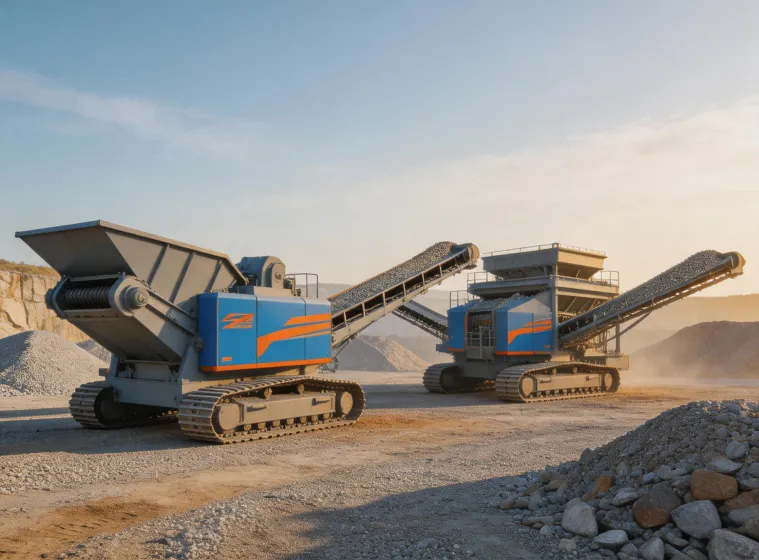
Mobile jaw crusher working near a quarry face
Same-day guidance for crusher, screen, and trommel selection.
Crushing & Screening Equipment Advisor

Mining Equipment Selection Made Simple

Mccloskey helps operators compare jaw crushers, cone crushers, impact crushers, and trommel screens against real feed size, tonnage, mobility, and service access requirements.

18filtered buyer keywords
4 hrtypical quote response
1focused product category
Start With The Common Questions

Crusher and screen decisions, grouped by what buyers ask first

Use these short answers to prepare a better request before speaking with an equipment advisor.

Equipment Fit

Begin with feed size, material hardness, and target product shape. Jaw crushers handle primary reduction, cone crushers support secondary sizing, and impact crushers help when shape matters.

Mobile plants suit changing benches, contract crushing, and phased quarry work. Static layouts suit high-volume sites with stable feed points and fixed stockpile areas.

Operating Cost

Abrasivity, feed grading, closed-side setting, tramp metal control, and liner material all affect replacement cycles and total cost of ownership.

We can help bracket expected throughput after reviewing feed size, moisture, crusher setting, screen media, recirculation, and site loading method.

Support

Share material type, maximum feed size, target product sizes, expected tonnes per hour, site mobility needs, and power preference.

Yes. We plan spare parts, commissioning steps, and documentation around remote access, shift schedules, and local maintenance capability.
A Better Selection Process

Compare the old way with Mccloskey's advisory approach

Traditional approach

  • Starts with a model number before site data is clear.
  • Compares only nameplate capacity instead of real feed behavior.
  • Leaves screening media, recirculation, and loading method until late.
  • Creates spare parts planning after the purchase order.
  • Uses generic brochures for very different quarry conditions.

Mccloskey guidance

  • Starts with ore type, feed size, and final product targets.
  • Balances throughput, mobility, fuel use, and wear life.
  • Builds crusher and screen options around the whole circuit.
  • Includes startup spares and maintenance access in the recommendation.
  • Gives clear next steps without heavy jargon or hard selling.
Selection Snapshot

Grouped specifications advisors ask for first

These values help narrow crushing and screening configurations before deeper engineering review.

GroupParameterTypical Planning Range
FeedMaximum feed size600-1200 mm for primary jaw applications
FeedMaterial behaviorAbrasive rock, recycled aggregate, blasted quarry stone
OutputThroughput capacity150-650 t/h depending on circuit and screen media
OutputFinal product sizesSingle product, multiple decks, or recirculating closed circuit
SiteMobility preferenceTracked mobile plant, wheeled plant, or fixed installation
ServiceMaintenance accessDaily inspection routes, liner changes, screen media replacement
Field Conversations

Operators come to us when they need a clearer shortlist

Quarry West

"The team helped us compare two jaw crusher paths without pushing the bigger unit."

Iron Ridge

"Their questions about feed moisture changed our screen media plan before startup."

North Aggregate

"We received a practical parts plan with the equipment recommendation."

Delta Minerals

"Clear language, fast response, and useful commissioning notes for our crew."

Tell Us What You Need

Send your site details and get a right-sized recommendation.

Include feed size, target tonnage, preferred mobility, and final aggregate sizes. We will respond with the next equipment questions and a practical shortlist.

  • No obligation equipment review
  • Crusher and screen matching support
  • Startup spares and service planning
Need a faster answer?

Ask Mccloskey to compare crusher and screen options for your material.

Our advisors translate your operating conditions into a practical equipment path, including wear life questions, service access, and commissioning priorities.

  • Jaw, cone, impact, and trommel screen matching
  • Mobile and fixed plant decision support
  • Clear follow-up checklist for procurement teams

Quick request